Skinwalker Ranch is not a metaphor. It is a few hundred acres of pasture, scrub, and mesa in Uintah County, Utah, in the Uinta Basin, about an hour from the oil towns and a short drive from Roosevelt on US-40 / US-191. The gate is real. The “No Trespassing” paint is real. Everything after that — cattle, lights, a wolf that would not fall, a Pentagon program, a television series — is a stack of testimony, money, and editing that still has not produced a public sample that ends the argument.
Private property. Do not trespass. Do not harass staff, animals, or neighbors. The show is the public door; the dirt is not.
The place — Uinta Basin, not a TV set
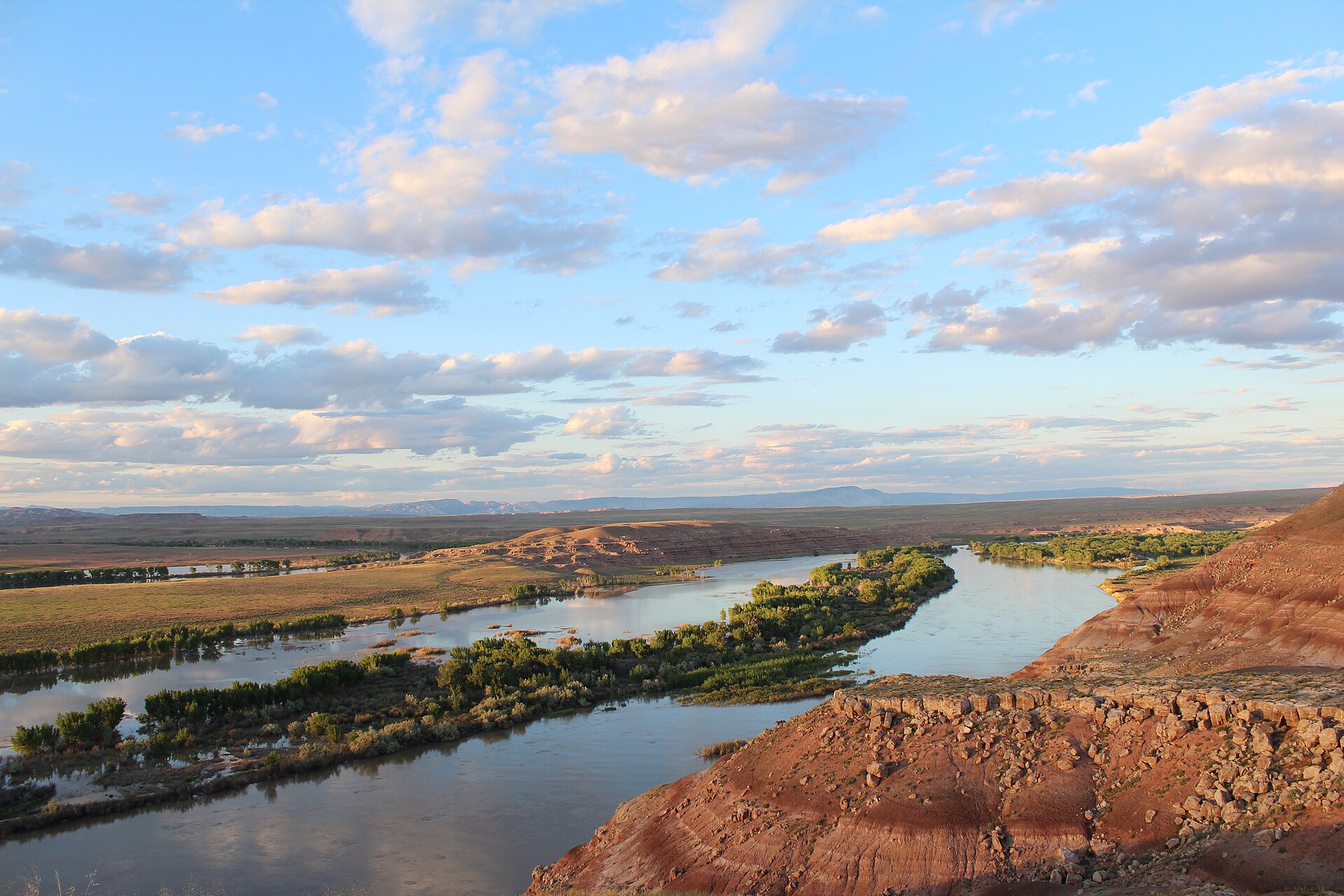
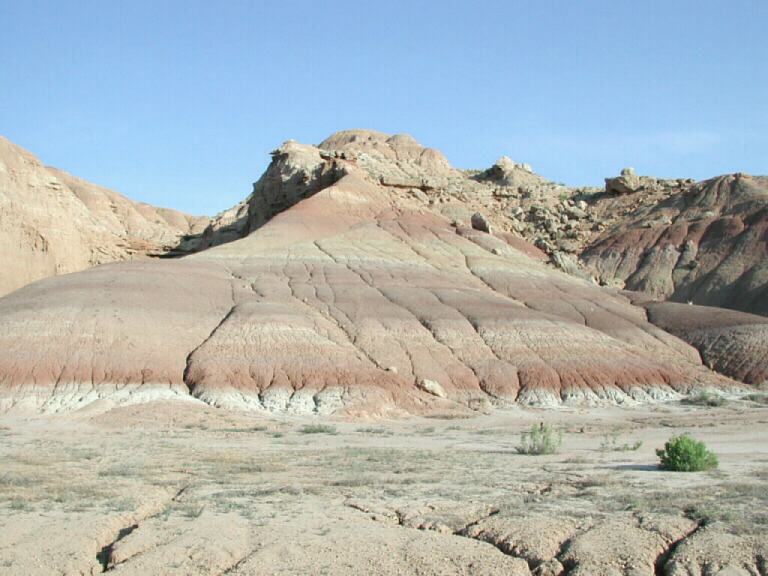
The ranch sits southeast of Ballard, in Uintah County, on the south side of the basin that drains toward the Green and White Rivers. The nearest ordinary town most visitors actually drive through is Roosevelt — US-40 and US-191, hospital, bank, the road west to Duchesne and east toward Vernal. South and east of that strip the country opens into reservation land, wildlife refuge, and cattle allotments. Ouray National Wildlife Refuge is the public window onto the same geology: river, reeds, and striped mesa. That is the landscape the ranch is in. It is not Moab. It is not Arches. It is not a log cabin in Grand County.
Frank B. Salisbury’s The Utah UFO Display (1974) already treated the Uinta Basin as a long-running sighting district — years before anyone sold a ranch under the Skinwalker name. Locals talked about lights over the basin in the 1960s and 1970s. The ranch did not invent the basin’s reputation. It concentrated the cameras, the money, and later the cable budget onto one titled parcel.
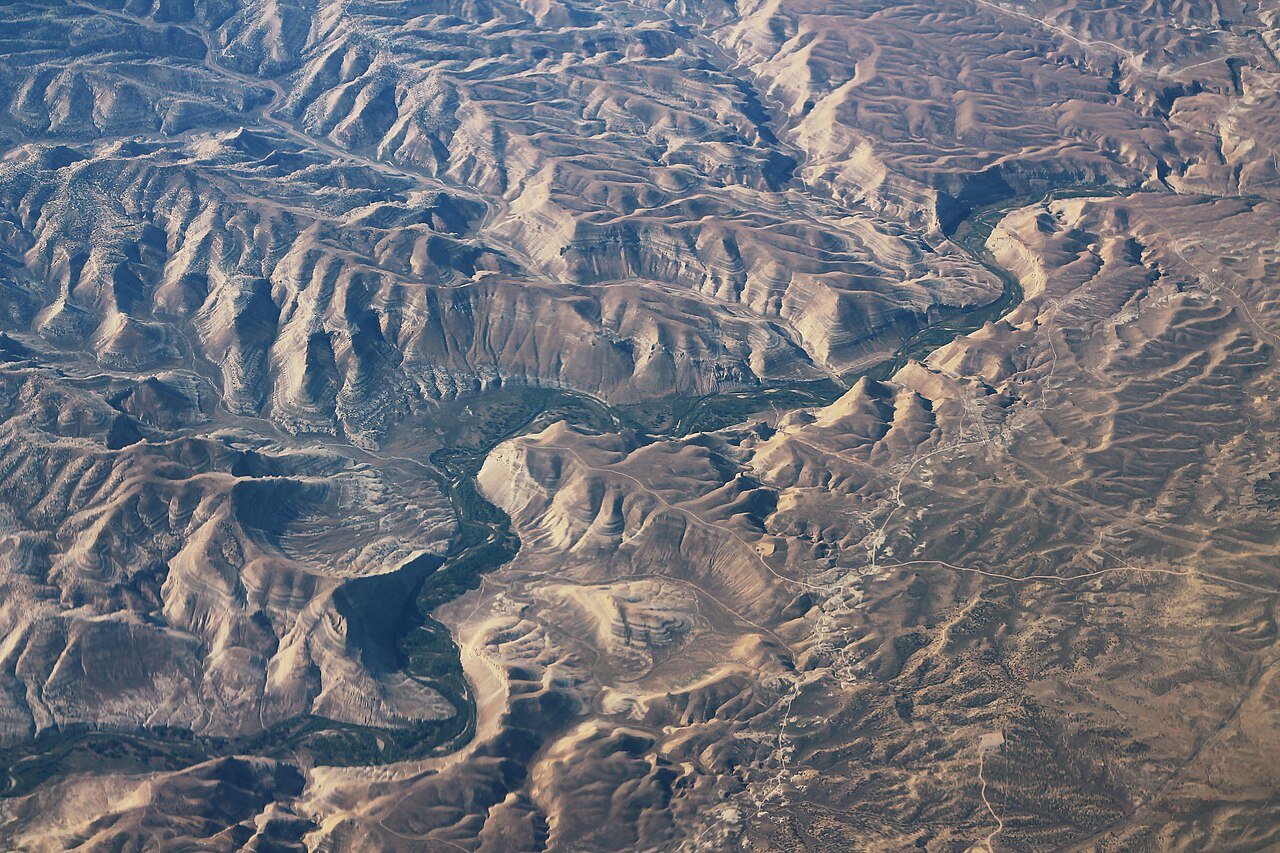
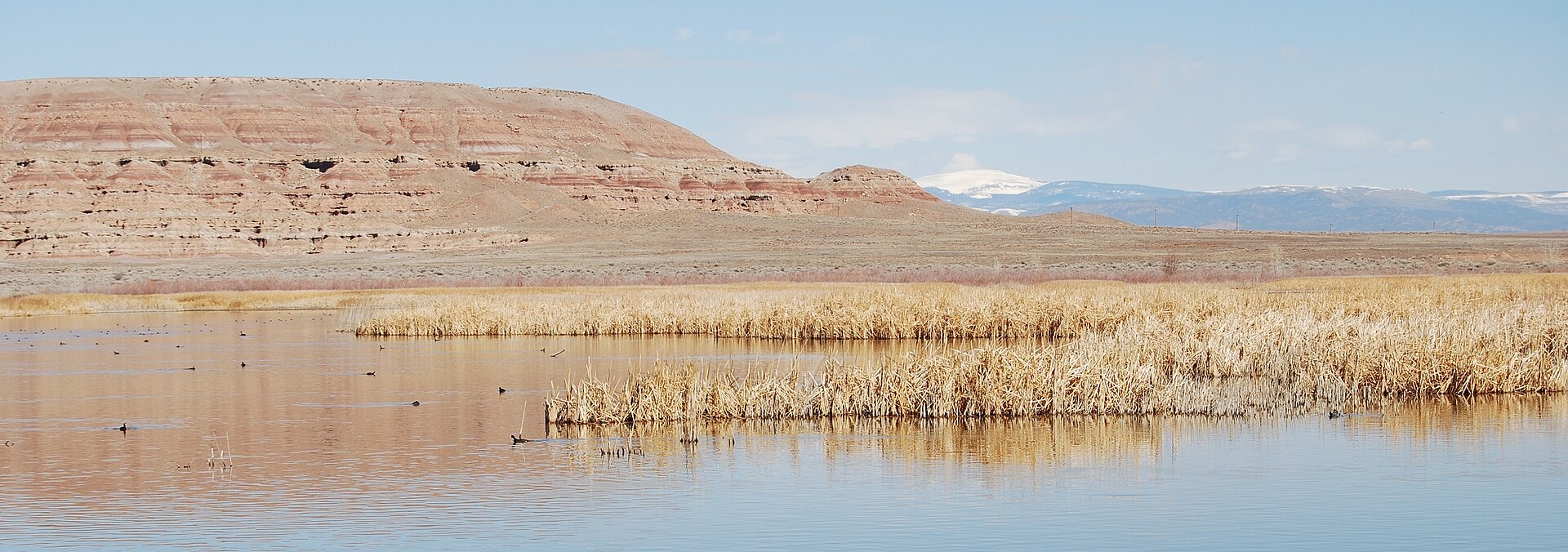
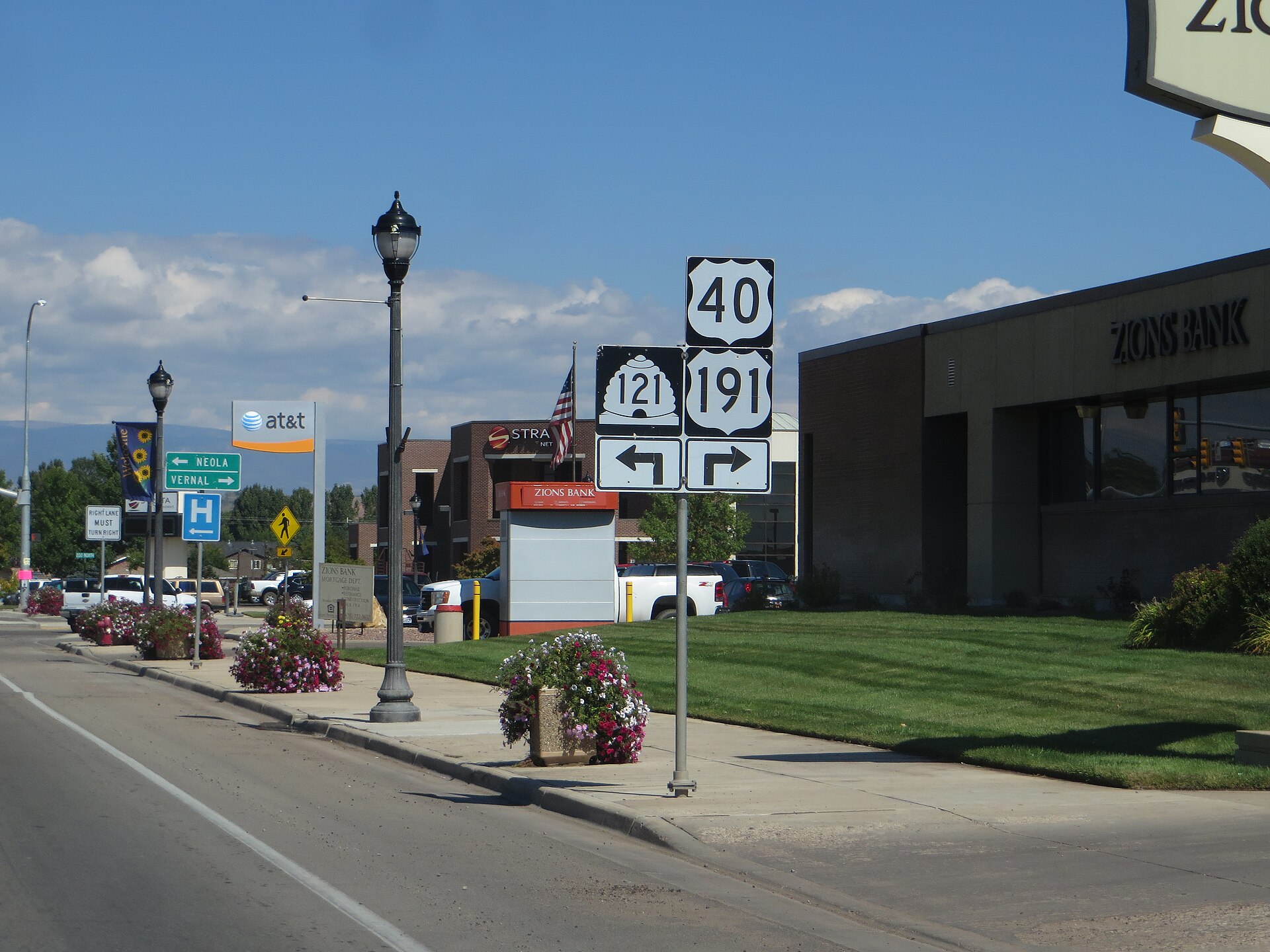
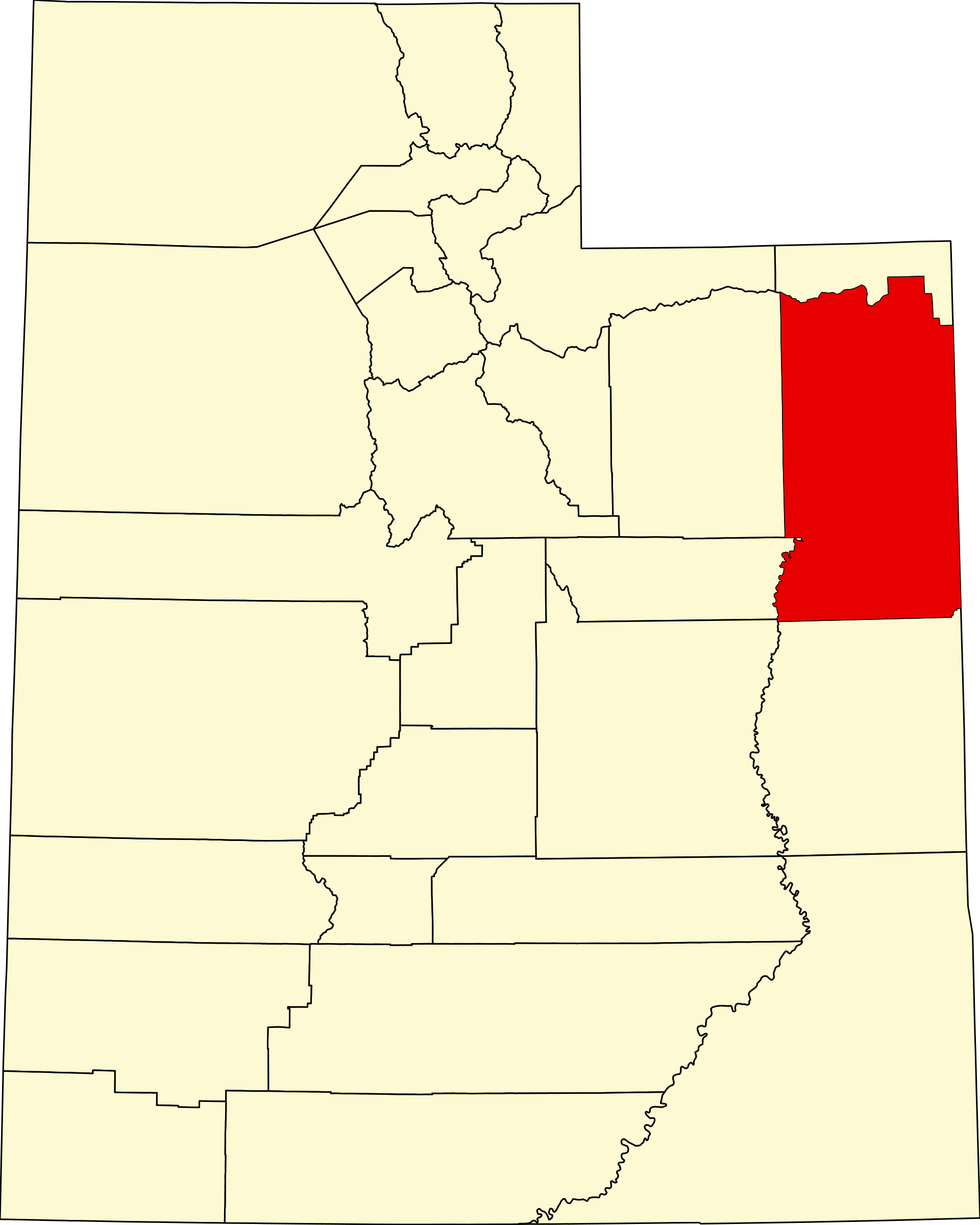
The name is loaded. A skin-walker in Navajo tradition is a witch, not a tourist brand. Ute and Navajo communities have their own relationship to this country; Cosmolink is not going to flatten that into a Halloween caption. The ranch borrowed the word. The basin was already strange in the local paper without it.
Who held the title
Ownership is the cleanest layer on the desk. The legend is not.
- Before 1934 — early title threads through Benton McMillan Locke and Ona Ora Bryant
- 1934–1994 — Kenneth and Edith Myers: about sixty years of ordinary ranch work
- 1994–1996 — Terry and Gwen Sherman: eighteen months, then a newspaper interview, then a sale
- 1996–2016 — Robert Bigelow / National Institute for Discovery Science
- 2016–present — Brandon Fugal, through Adamantium Real Estate LLC
When people say “original owners,” they usually mean the Myers decades or the Sherman blaze. Later interviews with Myers-family accounts, including work associated with Salisbury, did not match the Sherman-era cascade of mutilations and monsters. That gap is not a gotcha. It is a seam in the story: sixty quiet years, then two loud ones, then a billionaire, then television.
The Shermans, June 1996
Terry and Gwen Sherman bought the place in 1994 as cattle country. What they described to the Deseret News in June 1996 (“Frequent Fliers?”) was not cattle country. Lights that did not behave like aircraft. Circles in the grass. Cattle dead with soft tissue gone in ways that looked careful and strangely short on blood. Within about eighteen months they were done. Spooked. Ready to sell.
Three months after the story hit print, Robert Bigelow bought the ranch. Public reports put the price near $200,000. He was not buying scenery. He was buying a private laboratory for high strangeness.
What is not: a peer-reviewed autopsy of the cattle, a public instrument log from those eighteen months, or a way to separate fear, a pending sale, and whatever actually walked the pasture.
Critics still ask whether a family about to sell had every incentive to thicken the tale. Believers ask why anyone would invent that much dread for a local news quote. Cosmolink’s position is the boring one: we have their testimony, we have the sale, and we do not have a chain of custody on the animals.
Bigelow, NIDS, and the book that went to the Pentagon
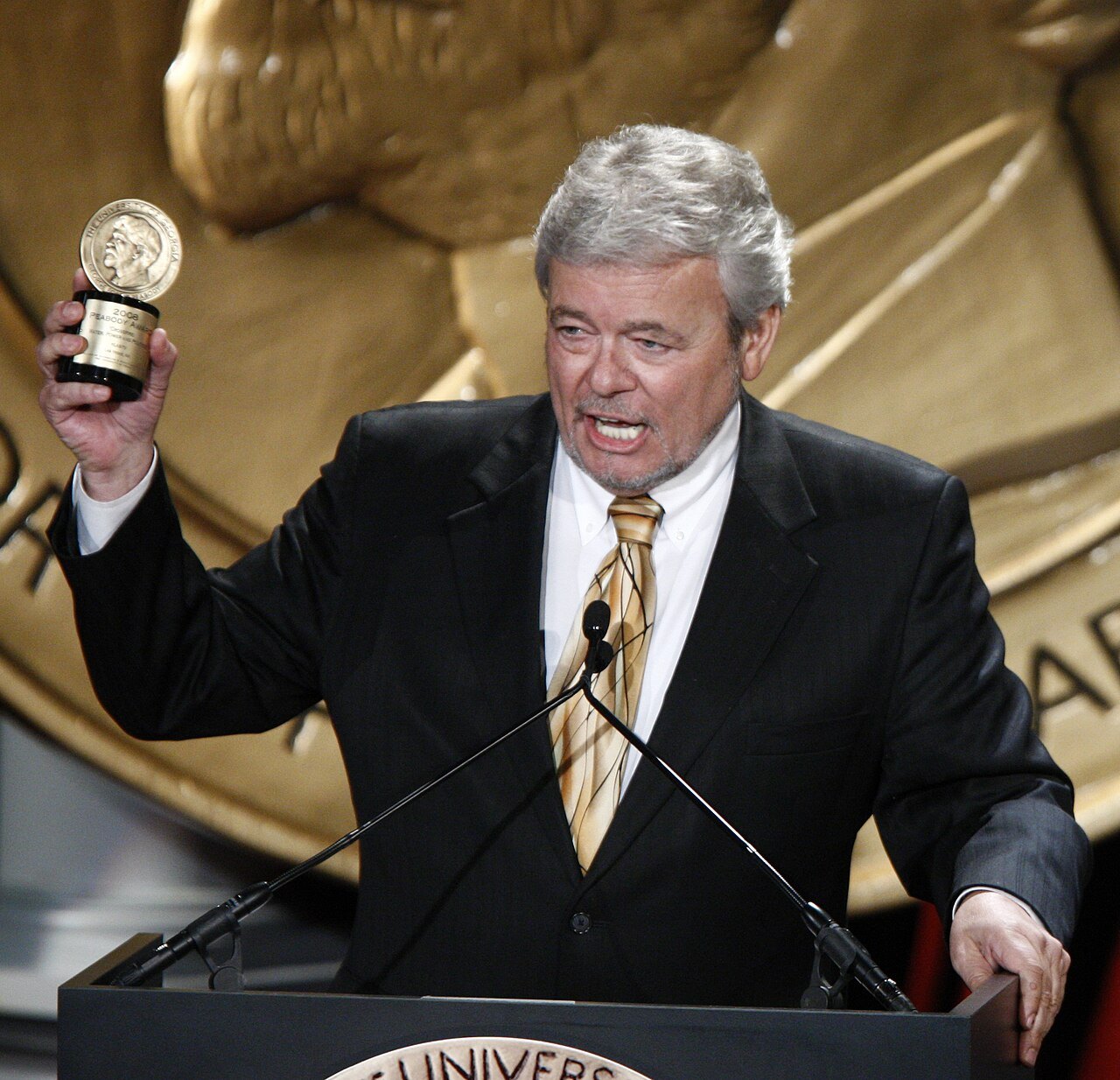
Bigelow founded the National Institute for Discovery Science (NIDS) and put the ranch under round-the-clock private study — cameras, caretakers, visiting scientists, retired military minds including Col. John B. Alexander. The pitch was stubbornly American: if universities will not touch it, buy the land and measure it yourself.
What NIDS produced for the public was not a tidy dataset. Investigators admitted how hard it was to get evidence that would survive scientific publication. What they did produce, culturally, was a book: Hunt for the Skinwalker (2005) by biophysicist Colm Kelleher and journalist George Knapp.
What the NIDS years actually claimed
The book and later interviews describe a ranch that would not perform on a schedule. Orbs that would not sit still for a clean capture. Animals that felt wrong in the telling — the “bulletproof wolf” or oversized dog that took multiple rounds and walked off, a story that never dies and has never been independently recovered as a carcass. A March 1997 account of something large and humanoid watching from a tree while researchers worked below. Cattle events that read like the Sherman years continuing under new management.
Then there is the so-called hitchhiker effect: people who spent time on the property reporting that oddness followed them home — poltergeist-type events, family members seeing things, a contagion of high strangeness. That claim is central to later Defense-adjacent memoir (Skinwalkers at the Pentagon). It is also the hardest to audit. You cannot FOIA a household.
John B. Alexander later framed NIDS as a sincere try at hard data. The same record admits how little of that data cleared the bar for formal publication. Seriousness without public proof is the ranch’s signature smell.
Lacatski, Reid, AAWSAP, $22 million
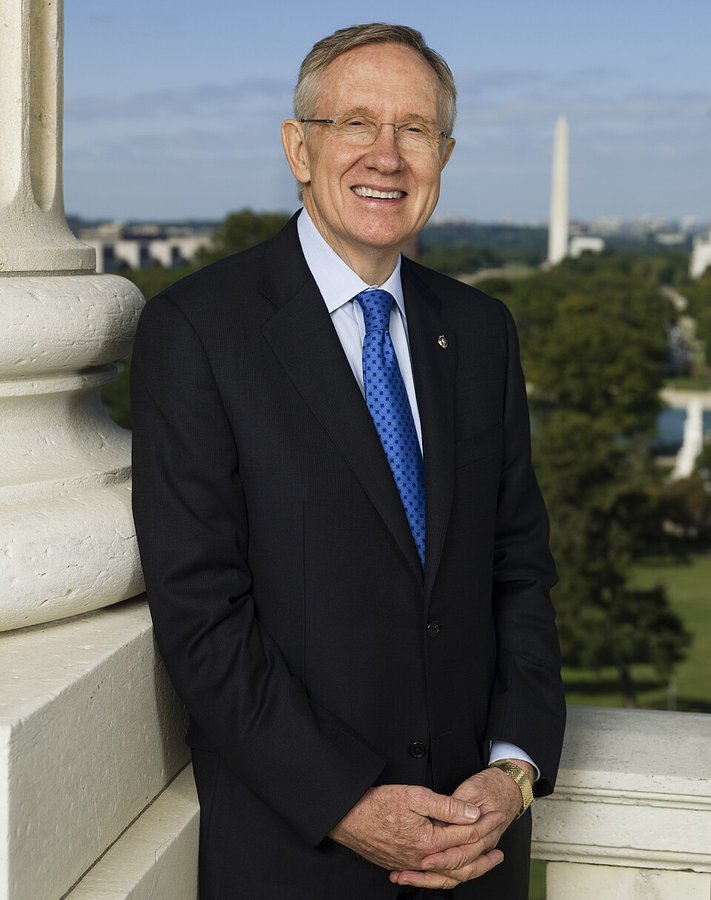
DIA analyst James Lacatski read Hunt for the Skinwalker, got onto the property, and later described an experience he would not shrug off. Bigelow talked to his friend, Nevada Senator Harry Reid. Reid, with allies including Senators Ted Stevens and Daniel Inouye, helped move roughly $22 million in Defense funding toward a DIA effort now remembered as AAWSAP — the Advanced Aerospace Weapon System Applications Program — with Bigelow’s company BAASS (Bigelow Aerospace Advanced Space Studies) as contractor.
Lacatski has been blunt in later interviews: they “heavily went into Skinwalker Ranch.” Bigelow offered a place, he said, where you could see UFOs and the paranormal in one parcel. Whether that was good science or mission creep is still argued. What is not seriously disputed is the paperwork: Skinwalker sits inside the origin story of the modern U.S. government’s UAP funding era — the same era that later spilled into the 2017 New York Times AATIP revelations and today’s AARO world.
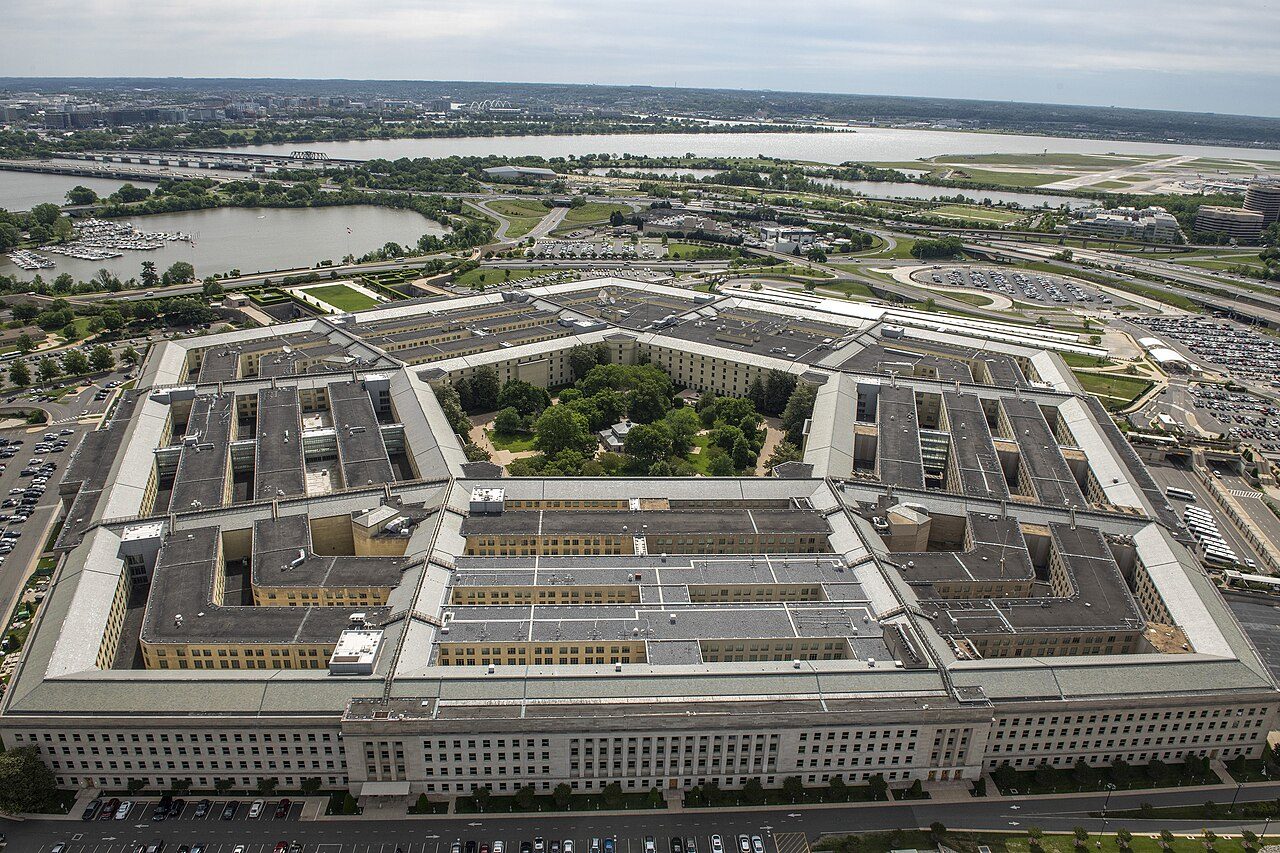
A Defense dollar on a ranch is not a proven portal. It is a decision that the place was worth watching with real money.
Books: Hunt for the Skinwalker (Kelleher & Knapp) · Skinwalkers at the Pentagon (Lacatski / Kelleher / Knapp)
FOIA / context: The Black Vault ↗ ·
Cosmolink Disclosure desk
Fugal, 2016 — and HISTORY turns the lights on
In 2016 Bigelow sold to Adamantium Real Estate LLC for roughly half a million dollars. Roads got harder. Cameras and fencing went up. In March 2020, Utah real-estate figure Brandon Fugal went public as the owner. He has repeatedly described himself as entering skeptical — a businessman who bought a haunted story to see if it would fall apart under instruments.
Then came the camera crews. HISTORY’s The Secret of Skinwalker Ranch (titled Curse of Skinwalker Ranch in the UK) premiered in 2020, from the same production orbit as The Curse of Oak Island. The on-screen brain trust became familiar: Fugal; astrophysicist / engineer Dr. Travis Taylor; principal investigator Erik Bard; ranch hands, drillers, specialists.
Love it or roll your eyes at the editing, the show changed the investigation’s shape. It funded multi-year fieldwork — lidar, ground-penetrating radar, drones, spectrometers, rocket launches, helicopter overflights — and it also locked the ranch into television’s oldest drug: keep the mystery breathing until next season. Real gear. Real payroll. Real cliffhangers.
The Triangle
Ask anyone deep in the show lore where the weird concentrates and you will hear the same word: the Triangle — East Field country the team treats as a hotspot. Instruments misbehave. Lights and “hits” cluster on camera. Experiments get staged because something there keeps answering back, or seems to.
- Sensor grids and radiation surveys before and after “provocations”
- Drone and helicopter work above the Triangle / “bubble” talk in later seasons
- Ground-penetrating radar hunting voids or density changes
- Season arcs where digging near the Triangle collides with old ranch lore that says don’t dig here
- Claimed UAP moments — including episodes where something appears to wink out over that ground
What we can responsibly say: the Triangle is the investigation’s favorite knot. What we cannot say from a sofa: that any single Triangle experiment has produced a publicly released, independently audited dataset that settles the ontology of the place. The show shows needles moving. Science, in the hard sense, wants the raw files, the calibration notes, and someone who was not on payroll to re-run the numbers.
Homestead Mesa
If the Triangle is the sky problem, Homestead Mesa is the ground problem. Multi-season drilling. Rods hitting something operators swear should not be there. Talk of cavities, hard obstruction, density that does not match the expected sandstone. Travis Taylor treats the mesa like a physics problem wrapped in a ghost story. Skeptics answer with geology, expectation, and the fact that the American West is full of surprises that are still rock.
Between Triangle and Mesa, the modern investigation has a method even when it does not have a verdict: instrument the hotspots, disturb the system, film what answers. That is not lazy. It is also not a paper.
What they have actually tried
- Drilling the Mesa — the unfinished question of what sits under Homestead Mesa
- Digging near the Triangle — folklore warnings versus steel
- Rocket and aerial surveys — loft sensors, map the column of air above hotspots
- EM / RF / ionizing radiation watches — spikes that become episode fuel; health as subplot
- Thermal drones and night optics — hunting heat where eyes see nothing
- Stimulation tests — lasers, radio, physical disturbance: poke the system, see if it pokes back
Health and equipment oddities ride along through all of this — batteries dying, meters spiking, people feeling off after long nights on the property. Those claims are human and hard to audit from a sofa. They are also why the ranch stays sticky: it does not only promise lights in the sky; it promises the place might push back.
How far has the investigation actually gotten?
Further than almost any private paranormal site in America — in money spent, seasons filmed, instruments deployed, and cultural reach. From Myers pasture to Sherman panic to Bigelow’s institute to a DIA-linked program to a HISTORY flagship, Skinwalker has had more sustained attention than most “haunted” zip codes get in a century.
Not far enough to end the argument. There is still no public, definitive physical sample that says “this is non-human technology” or “this is a portal” with the chain of custody that would survive a hostile peer review. NIDS struggled to publish. AAWSAP’s Skinwalker thread remains tangled in classification, memoir, and FOIA. The TV era produces compelling moments and contested interpretations — Travis Taylor will walk you to the edge of a conclusion; skeptics will walk you back.
So where are we, really? We know the ownership timeline. We know the ranch sits inside the modern UAP funding origin story. We know the Triangle and the Mesa are where the current team keeps spending steel and airtime. We know cattle-mutilation folklore, orb lore, and creature lore still outrun the open data. And we know that as long as the gates stay locked and the cameras keep rolling, Skinwalker will remain what it has been since the Shermans called the paper: a place that asks better questions than it answers.
The other view
Honesty requires the cold water. Skeptic Robert Sheaffer has called the phenomena “almost certainly illusory,” pointing at NIDS’ thin public yield and the Myers-family quiet decades. James Randi once mocked Bigelow’s ranch purchase with a Pigasus Award. Barry Greenwood, writing in the Journal of Scientific Exploration, framed decades of Skinwalker attention as belief salesmanship more than documentation.
You do not have to agree with them. You do have to leave room for them — the same way you leave room for Knapp’s reporting, Lacatski’s testimony, and Fugal’s claim that the instruments keep surprising a skeptic who bought the place to debunk it.
Cosmolink take
Treat Skinwalker as three files that got stapled together: a Uinta Basin sighting district that predates the brand; a private-science / Defense-adjacent funding story that is real on paper; and a television production that pays for instruments while it also pays for cliffhangers. Do not trespass. Do not confuse a HISTORY episode with a DIA contract. Do not use a generic desert cabin as if it were the ranch. The gate in the hero is the ranch. The river and mesa stills are Uintah County. Everything else on this desk is labeled.